
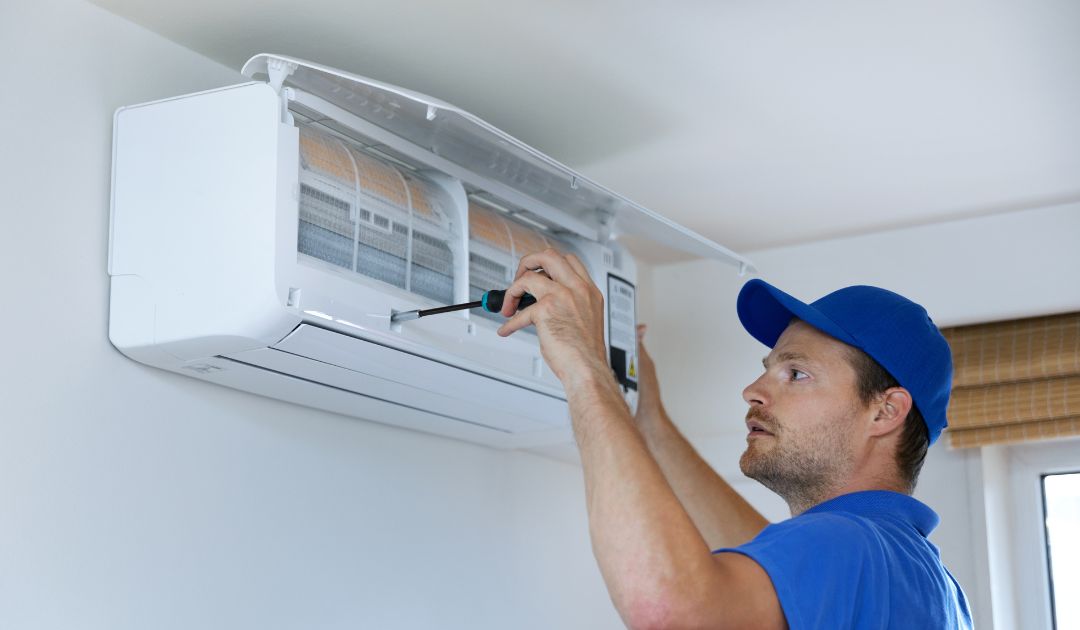
Many people don’t give much attention or thought to their HVAC system until it breaks down or starts malfunctioning. However, a residential HVAC service agreement can save you from sudden breakdowns of your cooling system. An HVAC service agreement is like health insurance for your heating and cooling system: a small investment today that will save you a lot of trouble and money later.
In this blog, we will explore HVAC service agreements and their importance in simple, non-technical terms. Read on if you own a home, are a first-time buyer, or are simply sick of unexpected breakdowns and repairs.
What Is a Residential HVAC Service Agreement?
A residential HVAC service agreement is a contract between a homeowner and a local HVAC company like Capstone Cooling & Heating LLC. The contract helps ensure your HVAC system can operate at its best all year long. The contract includes discounts, priority service, and routine inspections.
What is covered in the HVAC service agreement?
- Biannual maintenance visits (spring for air conditioning, fall for heating)
- Cleaning and inspection of the system
- Priority scheduling
- Discounts on repair and replacement parts
- Emergency services (often at discounted prices)
Why Do You Need an HVAC Service Agreement?
Prevent Unexpected Failures:
Most HVAC problems take time to resolve. A service agreement will ensure early detection of these issues, preventing unexpected breakdowns and failures.
Increases the Lifespan of Your System:
Your system won’t have to work as hard with routine maintenance. That translates into more years of use and fewer malfunctions.
Reduced Energy Costs:
A system that is properly maintained operates more effectively. Who doesn’t want to have a lower energy bill?
What Happens During a Service Visit?
You may be wondering, “What exactly will be done during the service visits?” A routine service visit includes the following:
Spring (Cooling Season Check):
- Examine thermostat operation
- Clean or replace air filters
- Clean and inspect condenser coils
- Check refrigerant levels
- Inspect all electrical connections
Fall (Heating Season Check):
- Examine and clean the burner assembly
- Look for wear or cracks in the heat exchanger
- Lubricate moving parts
- Test safety controls
- Ensure there is proper airflow
Is the HVAC Service Cost Worth It?
Yes, the cost is worth it. An average service call is $85–$150, and emergency repair may cost $300–$1,000. The cost of replacing an HVAC system is $5,000 to $10,000 or more. In comparison, the annual service agreement costs just $150 to $300. A nominal annual service charge protects you from significant unforeseen expenses.
Is It Possible to Perform HVAC Service on Your Own?
Homeowners can safely replace air filters, remove debris from the area surrounding outdoor units, and examine the thermostat’s batteries. However, more thorough examinations and replacements should be handled by experts, who are trained to identify minor issues before they become major repairs.
How to Choose the Right HVAC Company for a Service Agreement
The quality of care provided by HVAC companies varies. How do you choose the best HVAC company? Look out for these characteristics:
- Experience (10+ years is ideal)
- Qualified technicians
- Availability of emergency services
- Positive evaluations and recommendations
- Upfront and transparent pricing
Capstone Cooling & Heating LLC has been providing excellent service to the Tucson and Oro Valley area for more than 10 years, and our team believes in honesty and integrity.
What Happens if You Don’t Have an HVAC Agreement?
In the absence of a residential HVAC service agreement, regular maintenance may be skipped and your energy costs may increase. Minor problems can escalate into major repairs, and breakdowns often occur at the most inconvenient times (usually during a cold snap or heat wave). Preventive care is always more effective and less expensive.
Questions to Ask Before Signing an HVAC Agreement
Ask these important questions before committing to any HVAC service plan:
1. What does the maintenance visit include?
Seek out thorough checklists rather than ambiguous assurances.
2. Are there any hidden costs?
Ensure that you pay only the price for any service mentioned in the service agreement.
3. What is the emergency response time?
While some businesses provide round-the-clock assistance, others may not offer 24/7 services.
4. Have they worked on the specific system brand that you own?
This guarantees that the technicians know how to handle issues with your equipment.
Conclusion
A residential HVAC service agreement is not just a contract; it is an investment in your house, your comfort, and your peace of mind. Regular service and maintenance will help prolong the life of your system, prevent expensive repairs, and control your energy costs.
For over 10 years, Capstone Cooling & Heating has been offering HVAC services to homeowners in Tucson and Oro Valley, AZ. We can assist with urgent repairs, routine upkeep, or brand-new installations. We provide free estimates for new equipment, and our service calls start at just $85. We promise honesty, integrity, and genuine expertise.
FAQs
1. What is a residential HVAC service agreement?
It’s a contract that offers discounts, priority service, and routine maintenance to keep your heating and cooling system operating efficiently all year long.
2. How often should HVAC maintenance be done?
HVAC maintenance should be done at least twice a year, once in fall for your heater and once in spring for your air conditioner.
3. Does a service agreement cover repair costs?
Many plans provide substantial labor and part savings; however, they typically do not cover all repairs.